Consumption of red meat has been associated with fat gain (and weight gain) because of its high energy and fat content. Even though the role of fat intake as a causative factor for obesity recently has been seriously questioned, and rightly so, red meat still is a food that’s on the forbidden or avoid list of most diet plans. And while there are studies showing an association between meat intake and obesity [1-3], there are also studies not showing this [3-5]. And when digging deeper in the data, many of the studies that have reported a significant association with meat intake and fat gain / obesity have several flaws that invalidate their conclusions….
Recent studies have shown some controversial findings that high-rep training is as effective as the traditional medium rep training for muscle growth. If you missed it, check out my two previous articles:
Training for maximal muscle growth – is heavy low-medium reps really the best way to go?
Muscle growth with high rep training – has time come to challenge our egos?
In this article I will show some examples of how high-rep sets can be implemented in a serious weight lifting program, and look at the results of some studies that have investigated this.
In a previous article I reported the controversial results of a study that compared the muscle (myofibrillar) protein synthetic response of a traditional “bodybuilding” high-load low rep workout (90FAIL) to a higher rep low load workout (30FAIL), both taken to failure 1. If you haven’t read that article, here’s a lowdown:
The workout with higher rep lower load sets (30FAIL) was equally effective in stimulating muscle (myofibrillar) protein synthesis as a workout with low rep high load sets (90FAIL) 1. But more notably, the high-rep low load workout (30FAIL) resulted in a more prolonged muscle protein synthetic response and a greater elevation of muscle protein synthesis rates than the low rep high load workout (90FAIL) 24h after exercise, and also induced a greater stimulation of anabolic signalling pathways 1.
However, this study was an acute study with measurements taken for only 24 hours after one single workout bout. This doesn’t tell us whether higher rep sets would lead to long term increases in muscle mass, which is what we are ultimately interested in. Well, the same research group just published an actual 10 week training study 2 to find the answer to this nerve-itching question….
Risk factors and chronic diseases often get more attention among the middle-age and elderly population. And rightly so, since that’s when the manifestations of chronic diseases start to show up, and when people get reminded about their chronological age. An integral component of successful aging (also known as healthy aging) is the freedom of physical disabilities and debilitating chronic diseases 1-3. While it is true that it is never too late to become health conscious and reap the benefits of a healthy lifestyle 4,5, the fact remains that the sooner we start the better off we will be as we get older. If you are in your 20s or 30s, or have kids, read on…
In discussions about dieting, a topic that often comes up is that of “cheating”; is it good or bad to cheat once in a while during a diet?
In order to answer this questions appropriately, it is necessary to look at both the quantitative and qualitative aspects of dieting, and the physiological and psychological responses they each elicit.
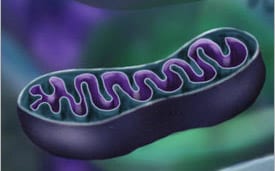
Mitochondria are the ‘energy powerhouse of the cell’ that convert the foods we eat to usable energy our body uses to fuel life sustaining reactions within cells, our daily activities and athletic performance 1-4. While energy production capability and muscle performance might seem to be more relevant to sports, it also equally important for achievement and maintenance of health throughout the life span. In this article I will describe how chronological aging affects our mitochondria, its implications and the ins-and-outs of a new type of supplements marketed at “exercise mimetics”.
Most supplements are used for one specific outcome, for example fat loss, muscle growth or general health promotion. However, there are a few exceptions. Fish oil is one of them.
We all know about the cardiovascular health benefits of fish oil, and in a previous article I covered the fat loss effect of fish oil. Now let’s take a look at the potential application of fish oil for those of us who are interested in muscle growth…
Written by Monica Mollica
Fish oil is well known for its beneficial cardiovascular and cardiac health effects. In 2004 FDA approved a prescription fish oil preparation for treatment of high blood triglycerides (hypertriglyceridemia) 1. However, recently several studies have shown that fish oil also has other beneficial effects, which might appeal more to the younger population, and especially to fitness and bodybuilding enthusiasts. One of these effects is fat loss.
Written by Monica Mollica
Everybody wants to stay young and vital throughout life. But aging is topic surrounded by many questions and myths; here we’ll get to the bottom of it.
Different types of Aging – Chronological Aging and Physiological Aging
Before we get started, I want to make a distinction of two types of aging; chronological and physiological (or biological).
Chronological age is based on time and is the same for everyone who is born on the same date. It refers to age in number of years.
Physiological age, also called biological age, is the result of many factors, many of which are under your control, and varies from person to person (even if they were born on the same date). It refers to age in terms of physical capacity.
Chronological aging refers to how long you have been alive, and is determined by a mathematical formula that is the same for everybody: current date minus date of birth. It is a function of time and cannot be slowed, stopped or accelerated (a side note: according to Einstein’s Theory of Relativity, chronological can be modified, since as one approaches the speed of light, time slows down, and thus so does chronological age. But this isn’t relevant for us earthbound folks).
Physiological aging, on the other hand, describes the state of your body. What’s interesting with physiological aging is that many of the factors that impact it are under your full control (e.g. exercise, nutrition, sleep etc). While chronological and physiological aging are related, the years of your life doesn’t necessarily have much to do with the years of your body. Many people don’t like to tell their (chronological) age; however, if you have taken care of yourself you should be proud of it!
Thus, chronological age and physiologic age do not always coincide, and physical appearance and health status often do not always correspond to what is typical at a particular chronological age. When talking about aging and anti-aging, it is the physiological age we’re referring to. Ok, now that we got that cleared out, let’s move on.
To most people outside the gym, the word “muscles” brings to mind huge bulging muscle bellies and bodybuilders. The importance of muscle mass, strength, and metabolic function in the performance of exercise and sports, has never been questioned. However, muscles aren’t just for show. Here I will explain why.